
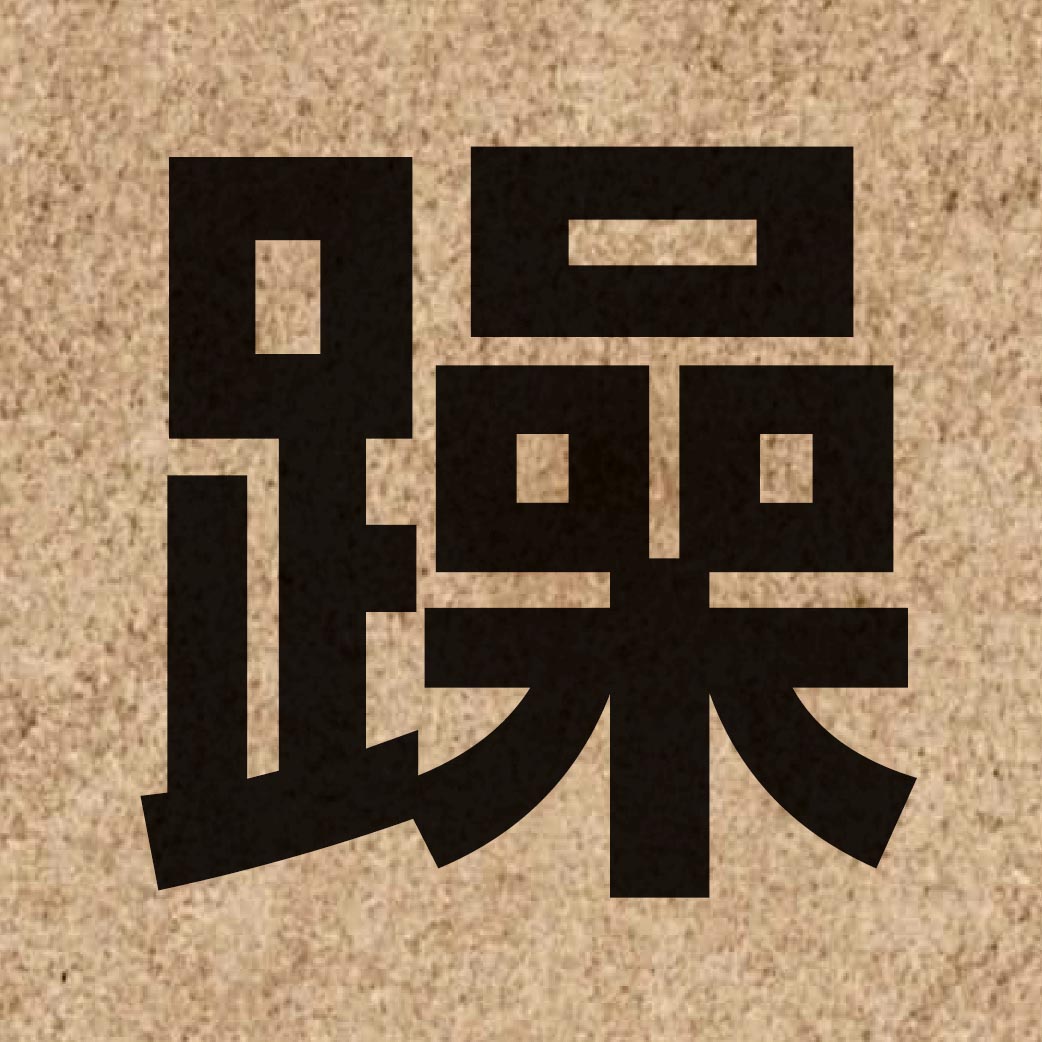
The Chinese word【躁】that we will introduce this time is a word that describes emotions or states. It is mainly used for the following meanings: Anxious…
View More 躁: Describing emotions or states, once you learn them, you can further master the colorful and diverse Chinese expressions (free learning resources)
We’ll give you a quick explanation of 「躁言醜句」, complete with Mandarin and Cantonese pinyin.
Your free Chinese learning resource is here! This idiom and proverb series introduces phrases rich in meaning. Today, we explain 「躁言醜句」 and its usage. In…
View More We’ll give you a quick explanation of 「躁言醜句」, complete with Mandarin and Cantonese pinyin.
Achieve better Chinese fluency by mastering idioms. This example is: 「蠅聲蛙躁」.
Offering free Chinese study resources is our priority. This series showcases idioms and proverbs, widely applicable phrases. Today’s idiom is 「蠅聲蛙躁」, explained here. The idiom…
View More Achieve better Chinese fluency by mastering idioms. This example is: 「蠅聲蛙躁」.
Studying idioms makes your Chinese stronger. Today, we discuss: 「暴躁如雷」.
Chinese begins with basics like characters, builds up to words, and reaches idioms. This free resource introduces advanced idioms like 「暴躁如雷」, with details below. Let’s…
View More Studying idioms makes your Chinese stronger. Today, we discuss: 「暴躁如雷」.
Idioms can elevate your Chinese skills. This one is: 「鳳狂龍躁」.
Chinese learning begins with simple characters, progresses to phrases, and culminates in idioms. This free resource introduces advanced idioms. Today’s focus is 「鳳狂龍躁」. Check below…
View More Idioms can elevate your Chinese skills. This one is: 「鳳狂龍躁」.
Mastering idioms can enhance your Chinese. This time, we present: 「飛揚浮躁」.
Chinese begins with basics like characters, builds up to words, and reaches idioms. This free resource introduces advanced idioms like 「飛揚浮躁」, with details below. For…
View More Mastering idioms can enhance your Chinese. This time, we present: 「飛揚浮躁」.
A concise overview of 「矜平躁釋」 and how to use it, plus pinyin provided in Mandarin and Cantonese.
Learn advanced Chinese idioms like 「矜平躁釋」, following the path from basic characters to phrases, all with this free resource. Today’s idiom is 「矜平躁釋」. We’ve outlined…
View More A concise overview of 「矜平躁釋」 and how to use it, plus pinyin provided in Mandarin and Cantonese.
Get to know the idiom/proverb 「戒驕戒躁」, along with pinyin in Mandarin and Cantonese for clarity.
Chinese idioms like 「戒驕戒躁」 represent a high level of language skill. This free guide helps you learn their meaning and use. Learn about the idiom…
View More Get to know the idiom/proverb 「戒驕戒躁」, along with pinyin in Mandarin and Cantonese for clarity.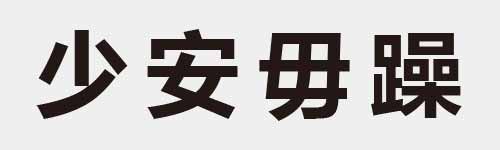
Boost your Chinese skills through idioms. Today’s example is: 「少安毋躁」.
Chinese learning begins with simple characters, progresses to phrases, and culminates in idioms. This free resource introduces advanced idioms. Today’s focus is 「少安毋躁」. Check below…
View More Boost your Chinese skills through idioms. Today’s example is: 「少安毋躁」.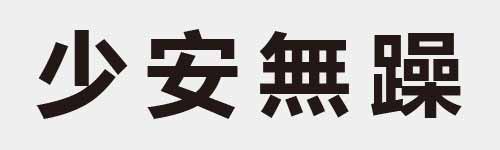
Build your Chinese expertise by exploring idioms. Here’s today’s: 「少安無躁」.
Chinese study involves characters, phrases, and idioms. This resource introduces 「少安無躁」 as part of advanced learning. Explanation below. Here’s the idiom 「少安無躁」, with its definition…
View More Build your Chinese expertise by exploring idioms. Here’s today’s: 「少安無躁」.