
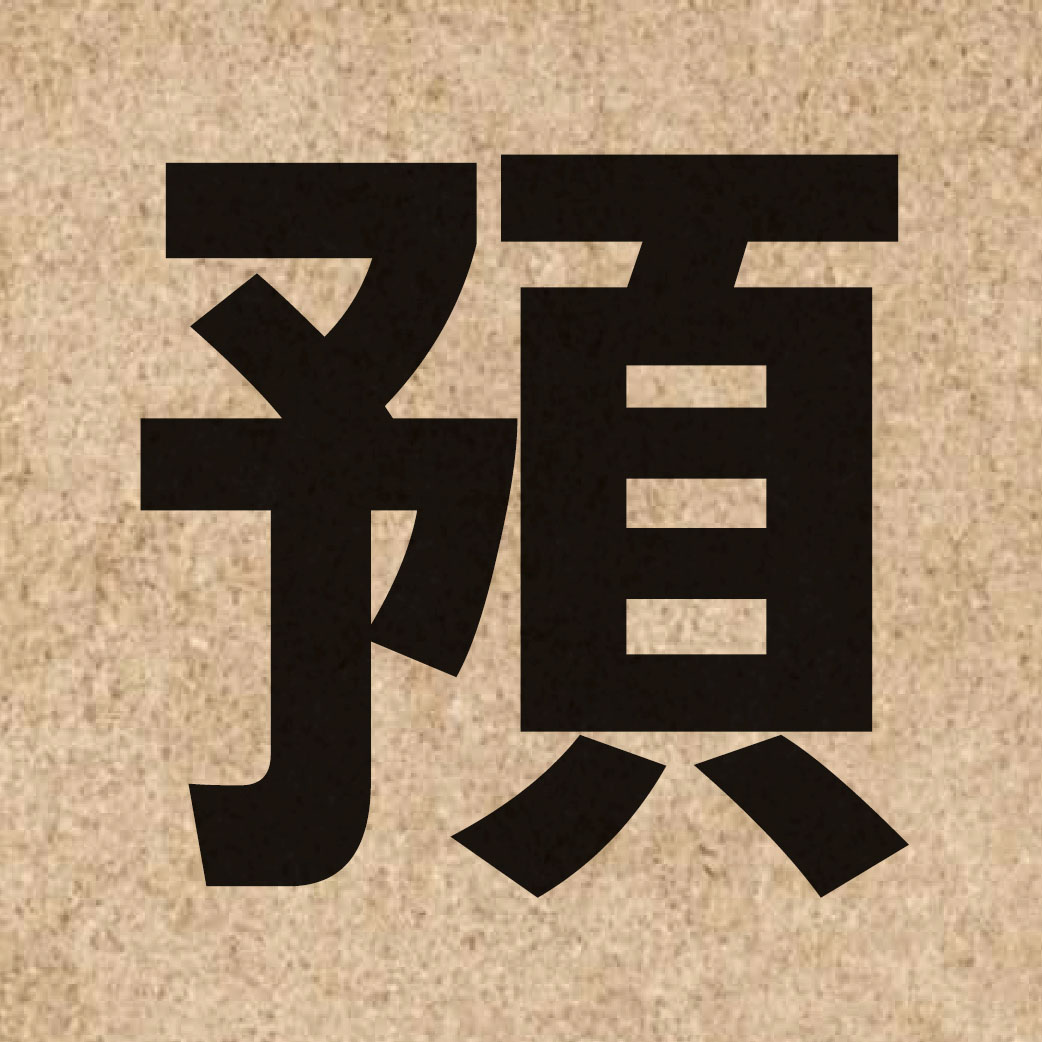
The Chinese character【預】that I will teach you this time is a word that describes an action or process. It is mainly used for the following…
View More 預: Describing actions or processes, very commonly used, basic Chinese characters that must be learned (more than 7,000 characters in total)
No cost to learn Chinese! Let’s delve into the beauty of the idiom 「難以預料」 and how it’s used.
We want to help you study Chinese for free! This series spotlights idioms and proverbs, known for their meaning and use. Learn about 「難以預料」 below.…
View More No cost to learn Chinese! Let’s delve into the beauty of the idiom 「難以預料」 and how it’s used.
A clear and simple explanation of the idiom or proverb 「思患預防」, with Mandarin and Cantonese pinyin for comparison.
Understanding Chinese starts with simple characters, grows to phrases, and finally idioms. Learn 「思患預防」 today for free with this guide. Today’s spotlight is on the…
View More A clear and simple explanation of the idiom or proverb 「思患預防」, with Mandarin and Cantonese pinyin for comparison.
Learn the essence and application of 「事預則立」, accompanied by Mandarin and Cantonese pinyin for reference.
Free Chinese learning, tailored for you! This series highlights idioms and proverbs, useful in many contexts. Let’s explain 「事預則立」 and how it’s used. This time,…
View More Learn the essence and application of 「事預則立」, accompanied by Mandarin and Cantonese pinyin for reference.
Learning idioms is a great way to improve your Chinese. Today’s idiom: 「言之不預」.
Chinese learning begins with simple characters, progresses to phrases, and culminates in idioms. This free resource introduces advanced idioms. Today’s focus is 「言之不預」. Check below…
View More Learning idioms is a great way to improve your Chinese. Today’s idiom: 「言之不預」.
Decode 「出乎預料」 with a short explanation and pinyin in Mandarin and Cantonese for guidance.
We want to help you study Chinese for free! This series spotlights idioms and proverbs, known for their meaning and use. Learn about 「出乎預料」 below.…
View More Decode 「出乎預料」 with a short explanation and pinyin in Mandarin and Cantonese for guidance.