

The Chinese character【鬱】that I will teach you this time is a word that describes emotions or plants. It is mainly used for the following meanings:…
View More 鬱: Describing emotions or plants, the Chinese characters you need to learn if you want to become a near-native Chinese speaker (a simplified version of the dictionary)
Learn Chinese idioms to boost your language skills. Today’s idiom is: 「鬱鬱不樂」.
Chinese education begins with characters, continues with phrases, and grows into idioms. This free lesson covers the idiom 「鬱鬱不樂」. Learn its usage below. The featured…
View More Learn Chinese idioms to boost your language skills. Today’s idiom is: 「鬱鬱不樂」.
A clear and simple explanation of the idiom or proverb 「鬱鬱沉沉」, with Mandarin and Cantonese pinyin for comparison.
Chinese idioms like 「鬱鬱沉沉」 represent a high level of language skill. This free guide helps you learn their meaning and use. Here, we present the…
View More A clear and simple explanation of the idiom or proverb 「鬱鬱沉沉」, with Mandarin and Cantonese pinyin for comparison.
A concise overview of 「鬱鬱芊芊」 and how to use it, plus pinyin provided in Mandarin and Cantonese.
Chinese language progresses from characters to idioms. This free guide explains the advanced idiom 「鬱鬱芊芊」 for better learning. This time, we’re looking at the idiom…
View More A concise overview of 「鬱鬱芊芊」 and how to use it, plus pinyin provided in Mandarin and Cantonese.
A free way to boost your Chinese! Let’s explore the idiom 「鬱鬱累累」 and how it works.
Chinese learners move from characters to idioms as the highest level. This free resource explains 「鬱鬱累累」 below. Learn about the idiom 「鬱鬱累累」: its definition and…
View More A free way to boost your Chinese! Let’s explore the idiom 「鬱鬱累累」 and how it works.
A straightforward guide to 「鬱鬱寡歡」, including its meaning, application, and Mandarin/Cantonese pinyin.
Chinese learning begins with simple characters, progresses to phrases, and culminates in idioms. This free resource introduces advanced idioms. Today’s focus is 「鬱鬱寡歡」. Check below…
View More A straightforward guide to 「鬱鬱寡歡」, including its meaning, application, and Mandarin/Cantonese pinyin.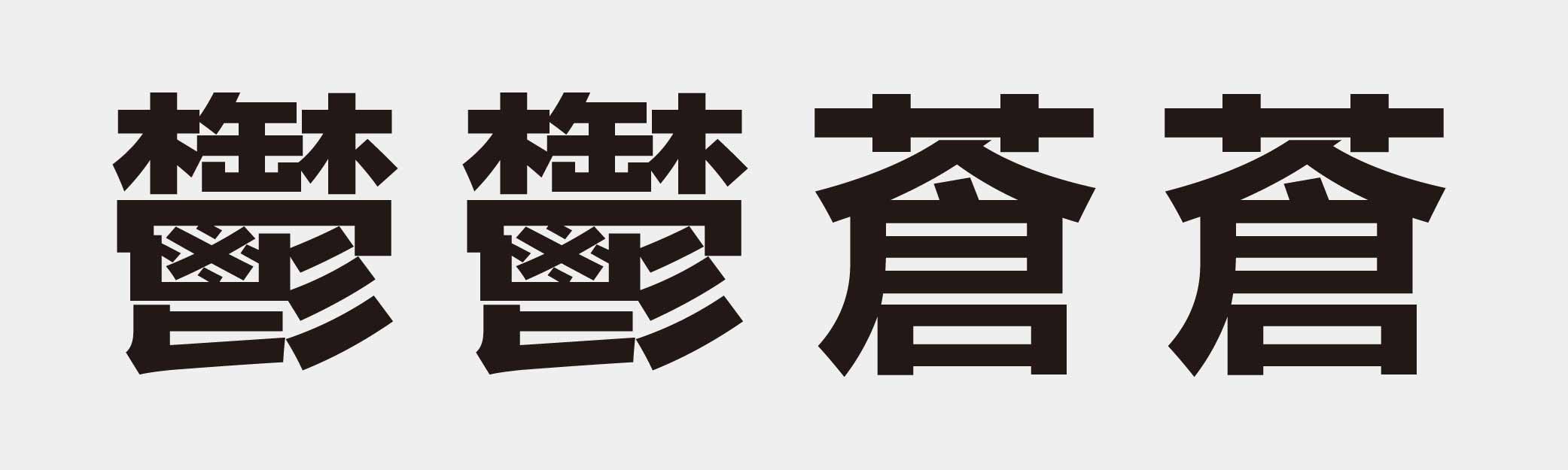
Achieve better Chinese fluency by mastering idioms. This example is: 「鬱鬱蒼蒼」.
Chinese study involves characters, phrases, and idioms. This resource introduces 「鬱鬱蒼蒼」 as part of advanced learning. Explanation below. The idiom 「鬱鬱蒼蒼」 and its usage are…
View More Achieve better Chinese fluency by mastering idioms. This example is: 「鬱鬱蒼蒼」.
An easy-to-follow guide to 「鬱鬱蔥蔥」, with pinyin details in both Mandarin and Cantonese.
Enjoy free Chinese learning resources from us! This series covers idioms and proverbs, which are meaningful and useful in various scenarios. Let’s explore 「鬱鬱蔥蔥」 and…
View More An easy-to-follow guide to 「鬱鬱蔥蔥」, with pinyin details in both Mandarin and Cantonese.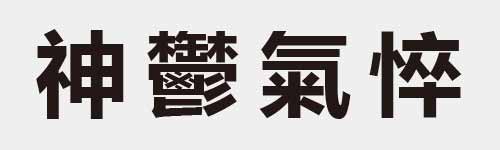
Improve your Chinese comprehension with idioms. Learn about: 「神鬱氣悴」.
Chinese begins with basics like characters, builds up to words, and reaches idioms. This free resource introduces advanced idioms like 「神鬱氣悴」, with details below. Today’s…
View More Improve your Chinese comprehension with idioms. Learn about: 「神鬱氣悴」.
Improve your Chinese comprehension with idioms. Learn about: 「芬芳馥鬱」.
We strive to offer you free Chinese learning resources. This series focuses on idioms and proverbs, which are rich in meaning and can be used…
View More Improve your Chinese comprehension with idioms. Learn about: 「芬芳馥鬱」.