
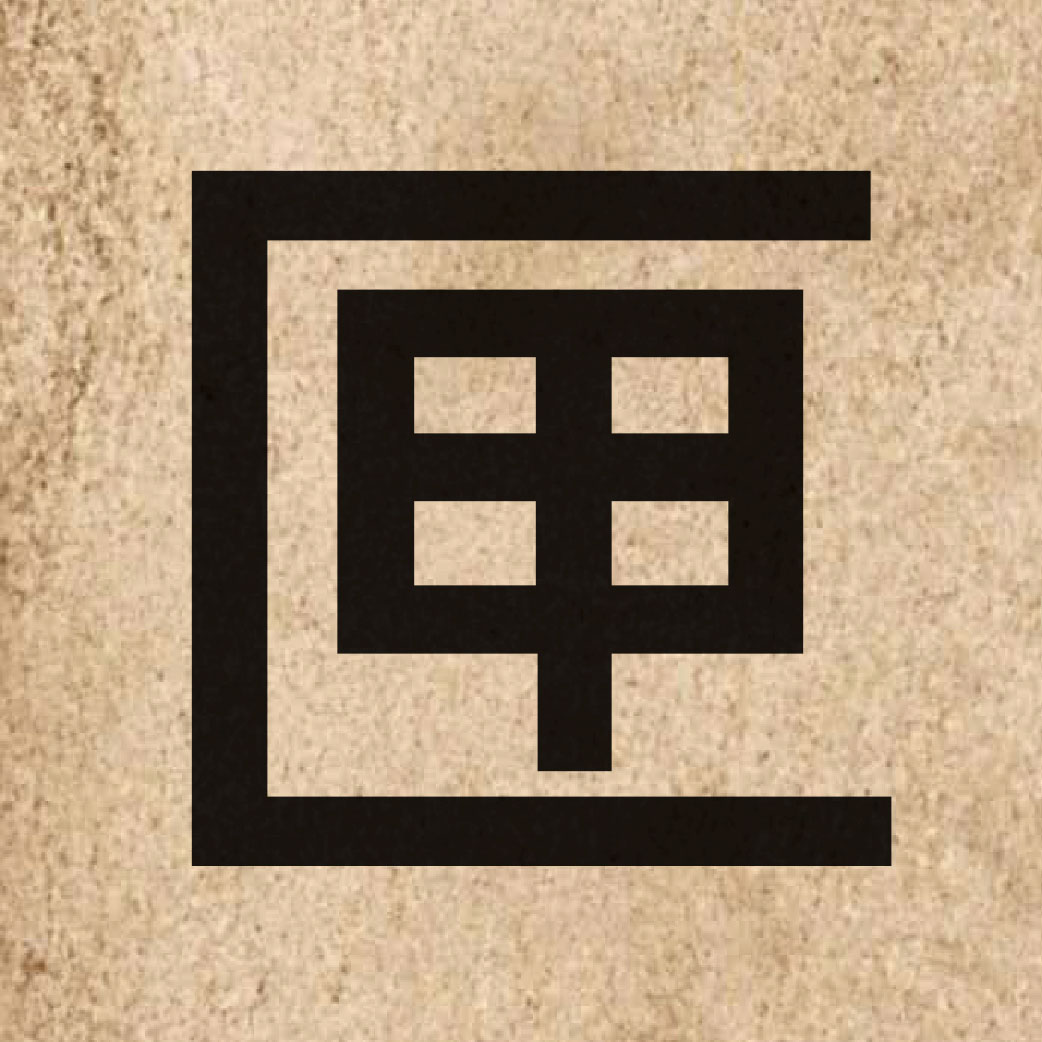
The Chinese word【匣】that we will introduce this time is a word that describes items or storage. It is mainly used for the following meanings: Small…
View More 匣: Describing objects or storage, Chinese characters that you need to learn if you want to become a near-native Chinese speaker (with basic explanations)
Master the Chinese Idiom 「囊匣如洗」: Meaning, Pronunciation, and Usage Explained
Exploring the Chinese Idiom 「囊匣如洗」 Chinese education traditionally begins with learning characters, moves on to phrases, and eventually blossoms into idioms. Idioms, or 成语 (chéngyǔ),…
View More Master the Chinese Idiom 「囊匣如洗」: Meaning, Pronunciation, and Usage Explained
This explanation simplifies 「縱虎出匣」 for you, with its meaning, usage, and Mandarin/Cantonese pinyin.
We’ve created free resources to teach you Chinese. This series focuses on idioms and proverbs, known for their richness and versatility. Check out 「縱虎出匣」 and…
View More This explanation simplifies 「縱虎出匣」 for you, with its meaning, usage, and Mandarin/Cantonese pinyin.
Understand 「帷燈匣劍」 easily with its usage and meanings, and compare the Mandarin/Cantonese pinyin.
Free resources for learning Chinese are here for you! This series features idioms and proverbs with rich meanings. Check out 「帷燈匣劍」 and its details. Learn…
View More Understand 「帷燈匣劍」 easily with its usage and meanings, and compare the Mandarin/Cantonese pinyin.
Get fluent in Chinese for free! Explore the elegance of the idiom 「匣裏龍吟」 with us.
Chinese begins with basics like characters, builds up to words, and reaches idioms. This free resource introduces advanced idioms like 「匣裏龍吟」, with details below. For…
View More Get fluent in Chinese for free! Explore the elegance of the idiom 「匣裏龍吟」 with us.
Get to know the idiom/proverb 「匣劍帷燈」, along with pinyin in Mandarin and Cantonese for clarity.
Chinese education begins with characters, continues with phrases, and grows into idioms. This free lesson covers the idiom 「匣劍帷燈」. Learn its usage below. Let us…
View More Get to know the idiom/proverb 「匣劍帷燈」, along with pinyin in Mandarin and Cantonese for clarity.