
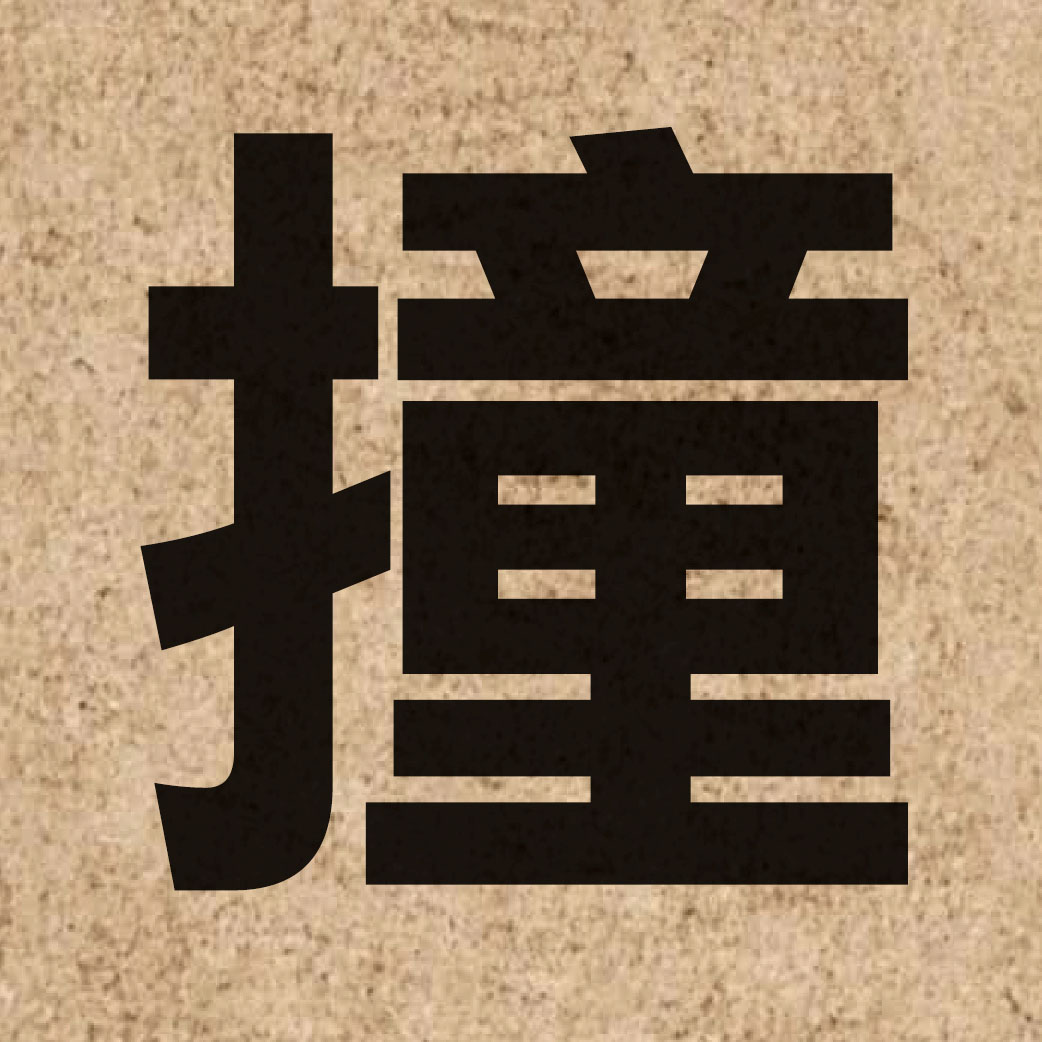
The Chinese character【撞】is used to describe an action or behavior, and is mainly used for the following meanings: Collision or conflict. Below, you can see…
View More 撞: Describes actions or behaviors, which are commonly used in daily life. More advanced Chinese characters (with Cantonese and Mandarin pronunciation)
No cost to learn Chinese! Let’s delve into the beauty of the idiom 「橫行直撞」 and how it’s used.
Starting from characters, then words, the journey to learning Chinese leads to idioms. Our free resource teaches idioms like 「橫行直撞」. Explanation below. Here is the…
View More No cost to learn Chinese! Let’s delve into the beauty of the idiom 「橫行直撞」 and how it’s used.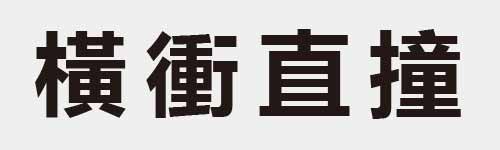
Get to know the idiom/proverb 「橫衝直撞」, along with pinyin in Mandarin and Cantonese for clarity.
Starting from characters, then words, the journey to learning Chinese leads to idioms. Our free resource teaches idioms like 「橫衝直撞」. Explanation below. The idiom 「橫衝直撞」…
View More Get to know the idiom/proverb 「橫衝直撞」, along with pinyin in Mandarin and Cantonese for clarity.
Learn Chinese on us! Idioms and proverbs are treasures, starting with 「衝州撞府」.
From basics to advanced idioms, Chinese study culminates with phrases like 「衝州撞府」. Explore their meaning and use in this free guide. The idiom 「衝州撞府」 we’re…
View More Learn Chinese on us! Idioms and proverbs are treasures, starting with 「衝州撞府」.
A free way to boost your Chinese! Let’s explore the idiom 「撞府衝州」 and how it works.
Our free resources help you explore Chinese idioms and proverbs. These phrases are full of meaning and widely applicable. Today, we introduce 「撞府衝州」—details below. Learn…
View More A free way to boost your Chinese! Let’s explore the idiom 「撞府衝州」 and how it works.
A straightforward guide to 「撞陣衝軍」, including its meaning, application, and Mandarin/Cantonese pinyin.
Our goal is to provide you with free Chinese learning tools. This series highlights idioms and proverbs, full of meaning and adaptable to many contexts.…
View More A straightforward guide to 「撞陣衝軍」, including its meaning, application, and Mandarin/Cantonese pinyin.
Achieve better Chinese fluency by mastering idioms. This example is: 「撞頭搕腦」.
Our mission is to provide free tools for learning Chinese. This series explores idioms and proverbs, meaningful phrases worth knowing. Today’s idiom: 「撞頭搕腦」. The idiom…
View More Achieve better Chinese fluency by mastering idioms. This example is: 「撞頭搕腦」.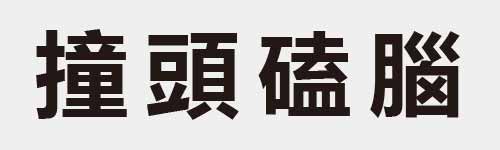
An easy-to-follow guide to 「撞頭磕腦」, with pinyin details in both Mandarin and Cantonese.
Progress in Chinese starts with characters, then words, finally idioms. Here’s a free look at 「撞頭磕腦」 and its explanation. Today’s featured Chinese idiom is 「撞頭磕腦」,…
View More An easy-to-follow guide to 「撞頭磕腦」, with pinyin details in both Mandarin and Cantonese.
A straightforward guide to 「誤打誤撞」, including its meaning, application, and Mandarin/Cantonese pinyin.
Learning Chinese grows from characters to words and then idioms. We’ve created free tools to help you master idioms like 「誤打誤撞」, explained here. Let’s learn…
View More A straightforward guide to 「誤打誤撞」, including its meaning, application, and Mandarin/Cantonese pinyin.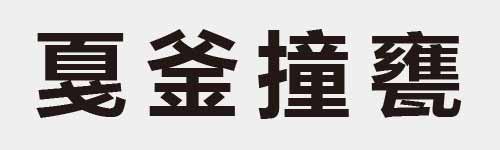
Discover free ways to study Chinese! This time, we’ll explain the idiom 「戛釜撞甕」.
Mastering Chinese involves learning single characters, creating words, and finally, idioms. This free idiom resource introduces 「戛釜撞甕」, with its explanation below. This time, we present…
View More Discover free ways to study Chinese! This time, we’ll explain the idiom 「戛釜撞甕」.