
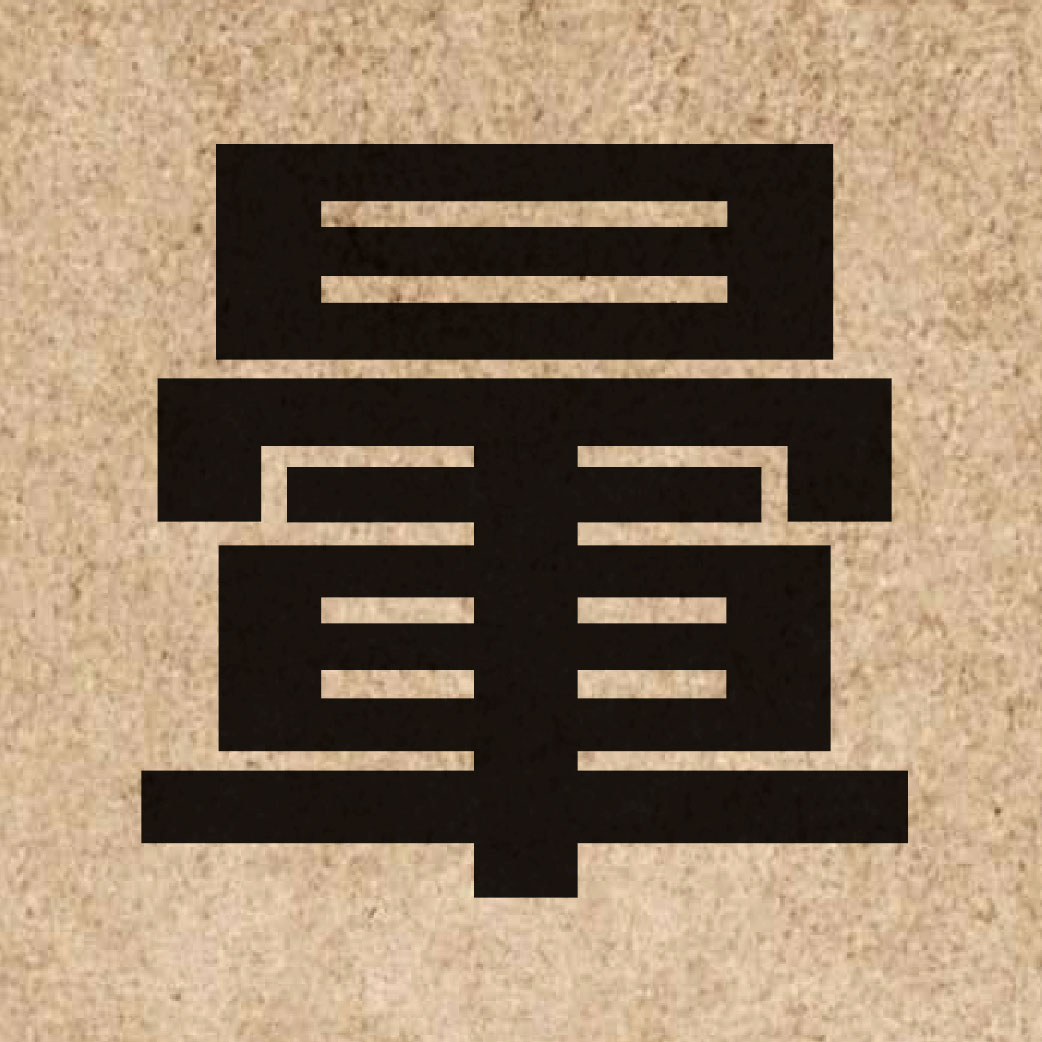
The Chinese character【暈】that we will explain today is a word that describes health or status. It is mainly used for the following meanings: Dizziness or…
View More 暈: Describing health or status, learning to understand the Chinese characters will help you further master the colorful and diverse expressions (with basic explanations)
No cost to learn Chinese! Let’s delve into the beauty of the idiom 「頭昏目暈」 and how it’s used.
From the basics of characters to complex idioms, Chinese learning can be challenging. This free guide highlights the idiom 「頭昏目暈」. Details below. Today’s spotlight is…
View More No cost to learn Chinese! Let’s delve into the beauty of the idiom 「頭昏目暈」 and how it’s used.
Quick and simple insights into 「頭昏眼暈」, with pinyin in Mandarin and Cantonese for easy comparison.
Here’s a free resource for learning Chinese. This series focuses on idioms and proverbs, useful for various expressions. Today’s topic is 「頭昏眼暈」, as shown below.…
View More Quick and simple insights into 「頭昏眼暈」, with pinyin in Mandarin and Cantonese for easy comparison.
Learn Chinese idioms to boost your language skills. Today’s idiom is: 「頭暈目眩」.
Understanding Chinese starts with simple characters, grows to phrases, and finally idioms. Learn 「頭暈目眩」 today for free with this guide. The idiom 「頭暈目眩」 is the…
View More Learn Chinese idioms to boost your language skills. Today’s idiom is: 「頭暈目眩」.
A clear and simple explanation of the idiom or proverb 「頭暈眼花」, with Mandarin and Cantonese pinyin for comparison.
We aim to support your Chinese studies with free resources. In this series, we explore idioms and proverbs, full of meaning. Today’s feature is 「頭暈眼花」,…
View More A clear and simple explanation of the idiom or proverb 「頭暈眼花」, with Mandarin and Cantonese pinyin for comparison.
Achieve better Chinese fluency by mastering idioms. This example is: 「暈頭轉向」.
Learning Chinese starts simple with characters, advances to words, and peaks with idioms. Explore the free idiom 「暈頭轉向」 here, with meaning and examples. This time,…
View More Achieve better Chinese fluency by mastering idioms. This example is: 「暈頭轉向」.
A straightforward guide to 「暈暈沉沉」, including its meaning, application, and Mandarin/Cantonese pinyin.
Learning Chinese is easier with our free resources! This series explains idioms and proverbs, valuable for various situations. Today’s idiom is 「暈暈沉沉」, with more below.…
View More A straightforward guide to 「暈暈沉沉」, including its meaning, application, and Mandarin/Cantonese pinyin.
Free Chinese lessons! Idioms and proverbs are gems of the language. Today’s focus: 「昏頭暈腦」.
The Chinese journey moves from characters to idioms. This free tool explores 「昏頭暈腦」, detailing its meaning and use. This time, our spotlight is on the…
View More Free Chinese lessons! Idioms and proverbs are gems of the language. Today’s focus: 「昏頭暈腦」.
Decode 「目眩頭暈」 with a short explanation and pinyin in Mandarin and Cantonese for guidance.
To master Chinese, begin with characters, move to words, and then idioms. Here’s the idiom 「目眩頭暈」 explained, free of charge. Today’s featured Chinese idiom is…
View More Decode 「目眩頭暈」 with a short explanation and pinyin in Mandarin and Cantonese for guidance.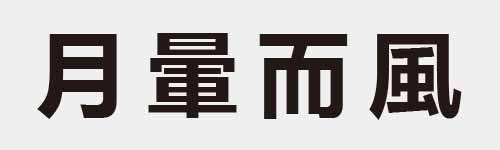
We’ll break down 「月暈而風」 for you, with its meaning, usage, and pinyin in Mandarin and Cantonese.
Enjoy free Chinese learning resources from us! This series covers idioms and proverbs, which are meaningful and useful in various scenarios. Let’s explore 「月暈而風」 and…
View More We’ll break down 「月暈而風」 for you, with its meaning, usage, and pinyin in Mandarin and Cantonese.