
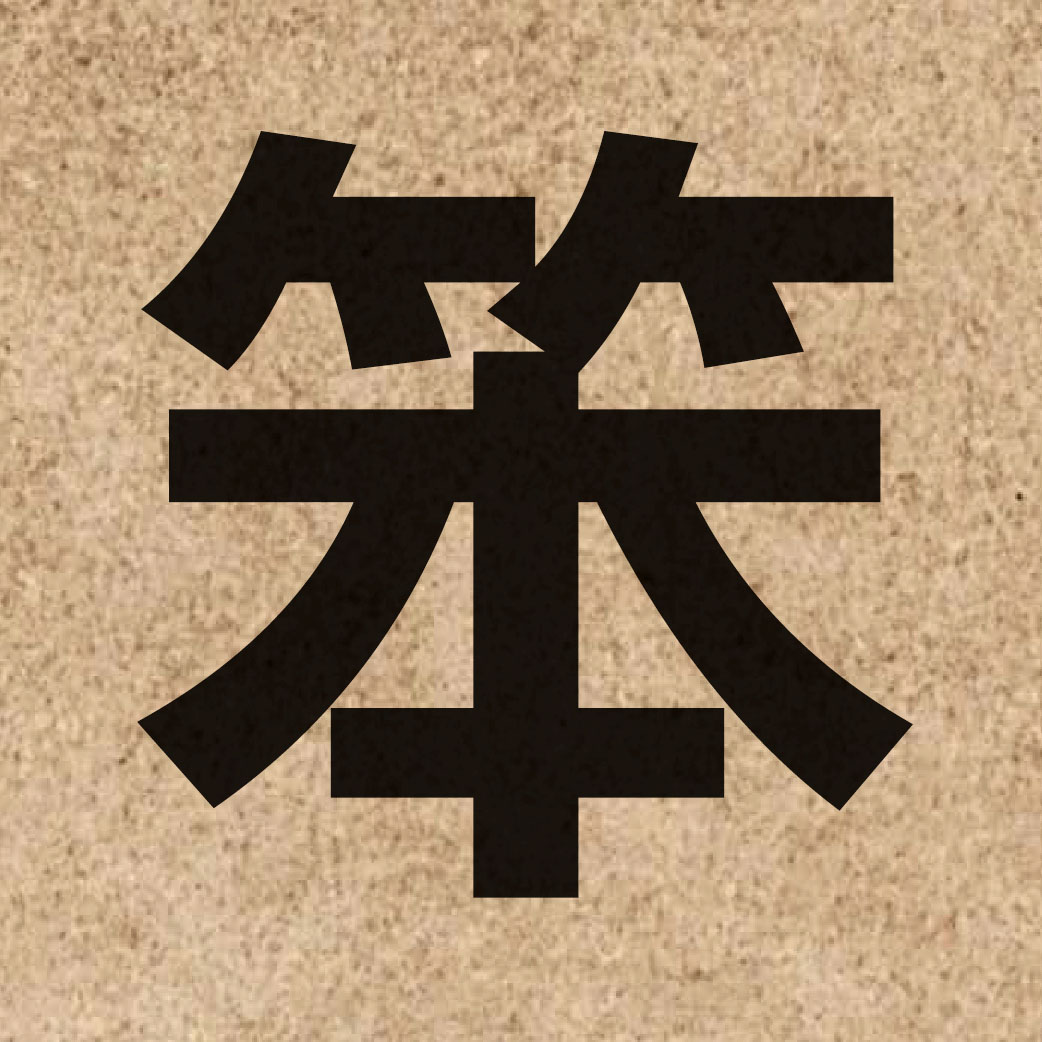
The Chinese character【笨】that I’m going to teach you this time is a character or behavior word, and is mainly used for the following meanings: Clumsy…
View More 笨: Describe personality or behavior. Once you learn them, you can further master the various Chinese expressions (more than 7,000 characters in total)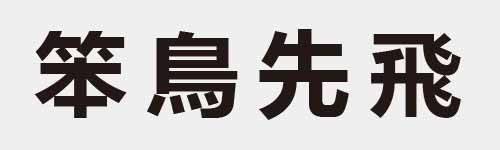
We’re here to explain 「笨鳥先飛」 simply, including its meaning, use, and pinyin references.
Chinese learners move from characters to idioms as the highest level. This free resource explains 「笨鳥先飛」 below. This time, our spotlight is on the idiom…
View More We’re here to explain 「笨鳥先飛」 simply, including its meaning, use, and pinyin references.
Your free guide to Chinese idioms! Here’s how to use 「笨嘴拙舌」 effectively.
Chinese learning begins with simple characters, progresses to phrases, and culminates in idioms. This free resource introduces advanced idioms. Today’s focus is 「笨嘴拙舌」. Check below…
View More Your free guide to Chinese idioms! Here’s how to use 「笨嘴拙舌」 effectively.
Learn Chinese idioms to boost your language skills. Today’s idiom is: 「笨嘴笨舌」.
Chinese study involves characters, phrases, and idioms. This resource introduces 「笨嘴笨舌」 as part of advanced learning. Explanation below. In this introduction, we explore the idiom…
View More Learn Chinese idioms to boost your language skills. Today’s idiom is: 「笨嘴笨舌」.
Get to know the idiom/proverb 「拙口笨腮」, along with pinyin in Mandarin and Cantonese for clarity.
Learning Chinese starts simple with characters, advances to words, and peaks with idioms. Explore the free idiom 「拙口笨腮」 here, with meaning and examples. Today’s featured…
View More Get to know the idiom/proverb 「拙口笨腮」, along with pinyin in Mandarin and Cantonese for clarity.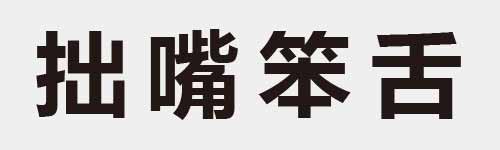
Here’s a simple breakdown of 「拙嘴笨舌」, with pinyin provided for Mandarin and Cantonese.
Offering free Chinese study resources is our priority. This series showcases idioms and proverbs, widely applicable phrases. Today’s idiom is 「拙嘴笨舌」, explained here. The idiom…
View More Here’s a simple breakdown of 「拙嘴笨舌」, with pinyin provided for Mandarin and Cantonese.
Idioms are a fun way to improve Chinese. Let’s look at: 「拙嘴笨腮」.
Our free Chinese learning series introduces idioms and proverbs. These timeless phrases hold valuable meanings and are worth studying. Today’s idiom is 「拙嘴笨腮」, detailed below.…
View More Idioms are a fun way to improve Chinese. Let’s look at: 「拙嘴笨腮」.