
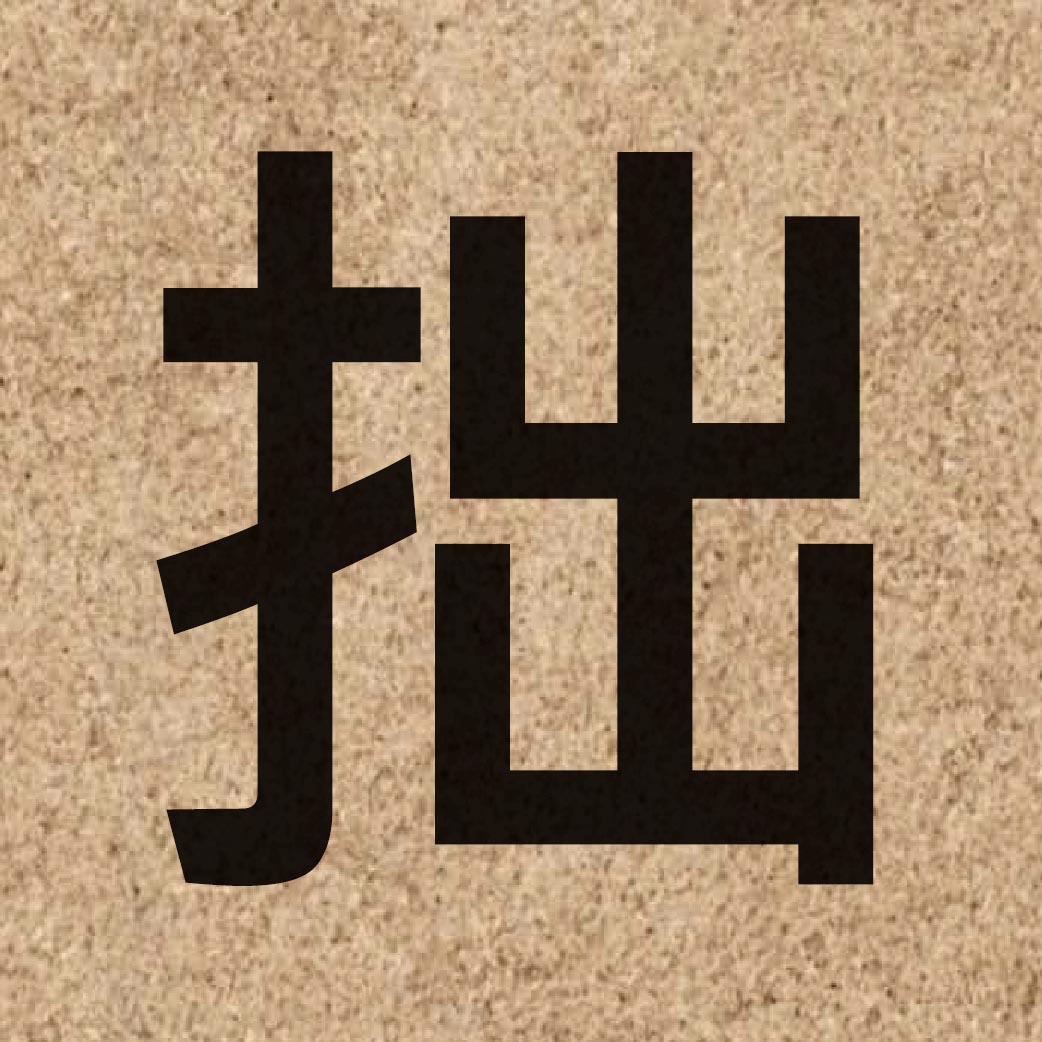
The Chinese character【拙】that I will teach you this time is a word that describes ability or status. It is mainly used for the following meanings:…
View More 拙: Describes an ability or status. Chinese characters that you need to learn if you want to become a near-native Chinese speaker (with Cantonese and Mandarin pronunciation)
No cost, just culture! Let’s dive into 「辭巧理拙」, an essential idiom in Chinese.
Learning Chinese grows from characters to words and then idioms. We’ve created free tools to help you master idioms like 「辭巧理拙」, explained here. The idiom…
View More No cost, just culture! Let’s dive into 「辭巧理拙」, an essential idiom in Chinese.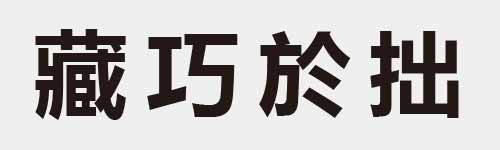
Boost your Chinese skills through idioms. Today’s example is: 「藏巧於拙」.
Chinese learners move from characters to idioms as the highest level. This free resource explains 「藏巧於拙」 below. This time, our spotlight is on the idiom…
View More Boost your Chinese skills through idioms. Today’s example is: 「藏巧於拙」.
No charges, just learning! Let’s reveal the meaning and use of 「頓口拙腮」 in Chinese.
Mastering Chinese involves learning single characters, creating words, and finally, idioms. This free idiom resource introduces 「頓口拙腮」, with its explanation below. Let us introduce the…
View More No charges, just learning! Let’s reveal the meaning and use of 「頓口拙腮」 in Chinese.
Understand the meaning and usage of 「運拙時乖」 with a concise guide and pinyin in both Mandarin and Cantonese.
Character combinations make words; words evolve into idioms. Learn 「運拙時乖」 today with this free Chinese resource. Here is the Chinese idiom 「運拙時乖」, along with its…
View More Understand the meaning and usage of 「運拙時乖」 with a concise guide and pinyin in both Mandarin and Cantonese.
Understand the usage and meaning of 「運拙時艱」 with pinyin in Mandarin and Cantonese included.
Chinese begins with basics like characters, builds up to words, and reaches idioms. This free resource introduces advanced idioms like 「運拙時艱」, with details below. For…
View More Understand the usage and meaning of 「運拙時艱」 with pinyin in Mandarin and Cantonese included.
An easy-to-follow guide to 「勤能補拙」, with pinyin details in both Mandarin and Cantonese.
We’re sharing free Chinese learning content with you. Idioms and proverbs, full of meaning, are explored in this series. Today, we present 「勤能補拙」. Let’s dive…
View More An easy-to-follow guide to 「勤能補拙」, with pinyin details in both Mandarin and Cantonese.
Studying idioms makes your Chinese stronger. Today, we discuss: 「鈍口拙腮」.
We strive to offer you free Chinese learning resources. This series focuses on idioms and proverbs, which are rich in meaning and can be used…
View More Studying idioms makes your Chinese stronger. Today, we discuss: 「鈍口拙腮」.
Your free guide to Chinese idioms! Here’s how to use 「笨嘴拙舌」 effectively.
Chinese learning begins with simple characters, progresses to phrases, and culminates in idioms. This free resource introduces advanced idioms. Today’s focus is 「笨嘴拙舌」. Check below…
View More Your free guide to Chinese idioms! Here’s how to use 「笨嘴拙舌」 effectively.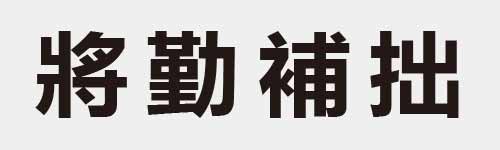
Learn Chinese idioms to boost your language skills. Today’s idiom is: 「將勤補拙」.
Chinese language progresses from characters to idioms. This free guide explains the advanced idiom 「將勤補拙」 for better learning. Let us introduce the Chinese idiom 「將勤補拙」,…
View More Learn Chinese idioms to boost your language skills. Today’s idiom is: 「將勤補拙」.