
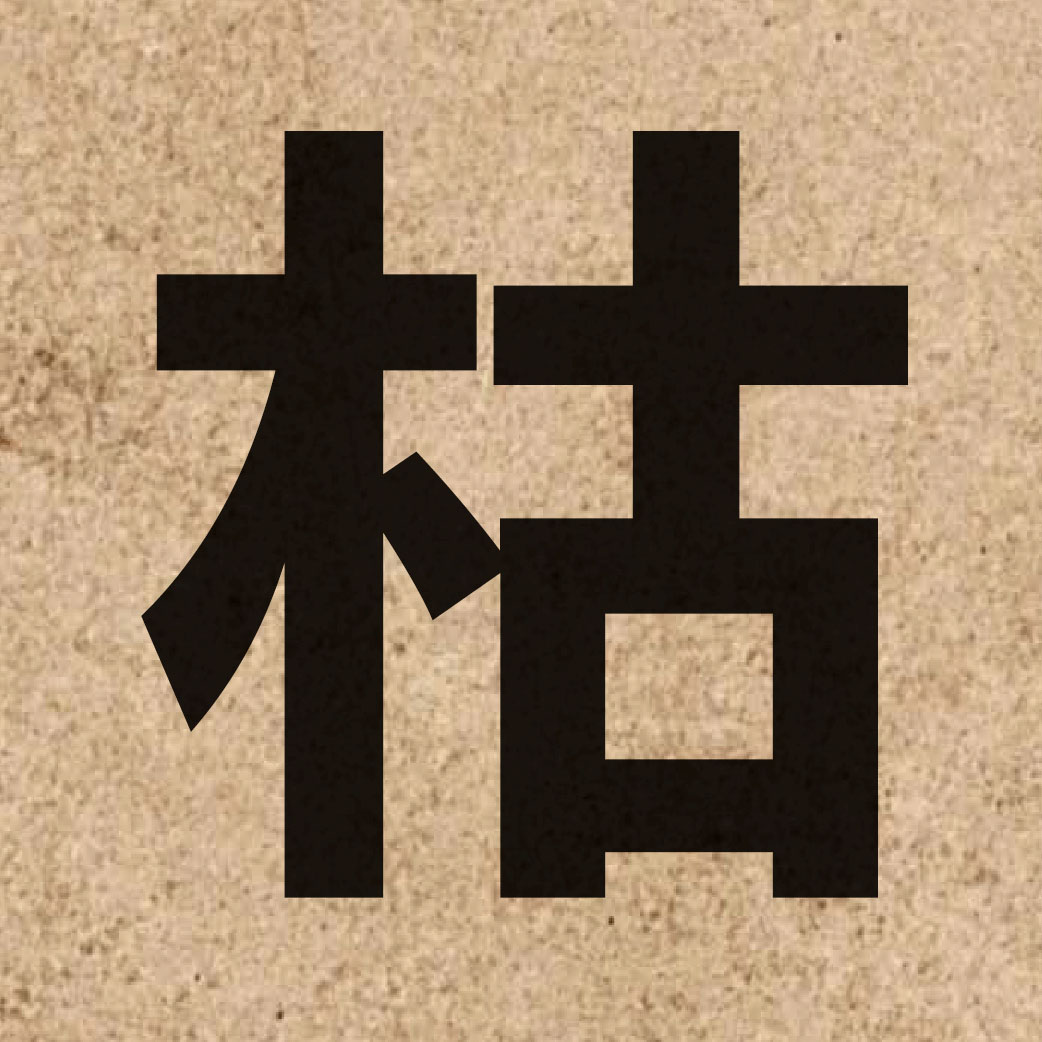
The Chinese character【枯】is a word that describes nature or a state, and is mainly used for the following meanings: Withered or dried up. Explanation: (1)…
View More 枯: Describe nature or status, which is used in daily life, more advanced Chinese characters (simple version of the dictionary)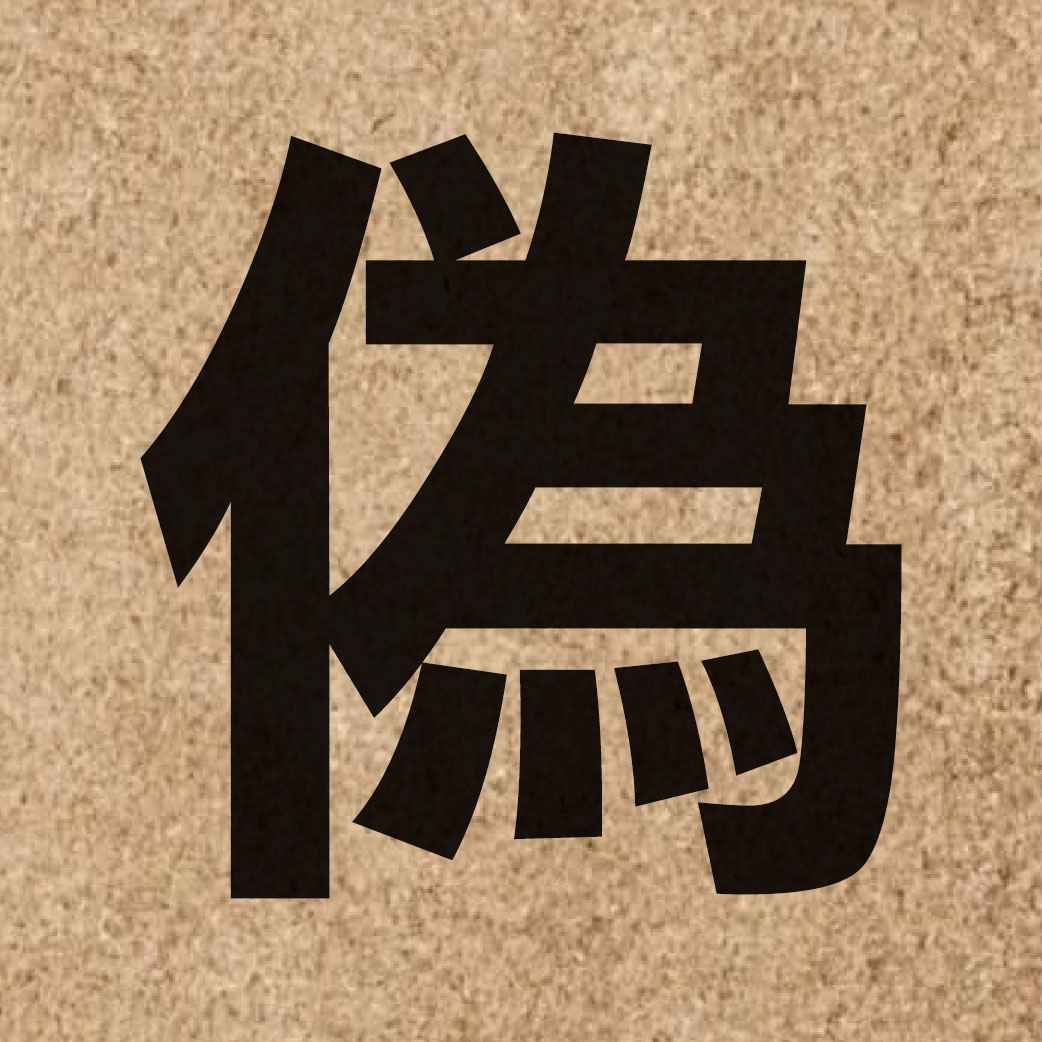
偽: Describing actions or states, these are common in daily life. They are relatively advanced Chinese characters (with basic explanations)
The Chinese word【偽】that we will introduce this time is a word that describes an action or a state. It is mainly used for the following…
View More 偽: Describing actions or states, these are common in daily life. They are relatively advanced Chinese characters (with basic explanations)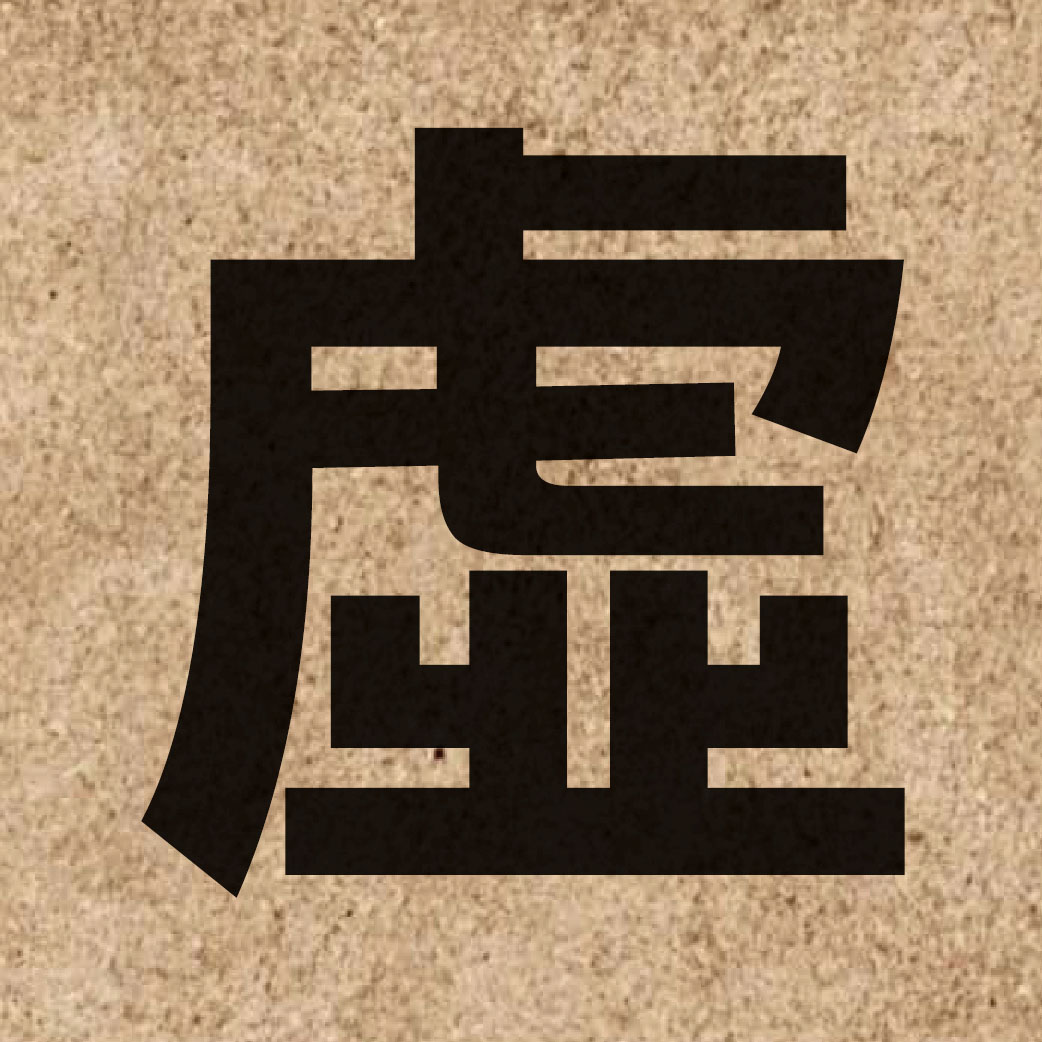
虛: Describing status or feelings, it is definitely used in daily life, more advanced Chinese characters (more than 7,000 characters in total)
The Chinese character【虛】that I will teach you this time is a word that describes a state or feeling. It is mainly used for the following…
View More 虛: Describing status or feelings, it is definitely used in daily life, more advanced Chinese characters (more than 7,000 characters in total)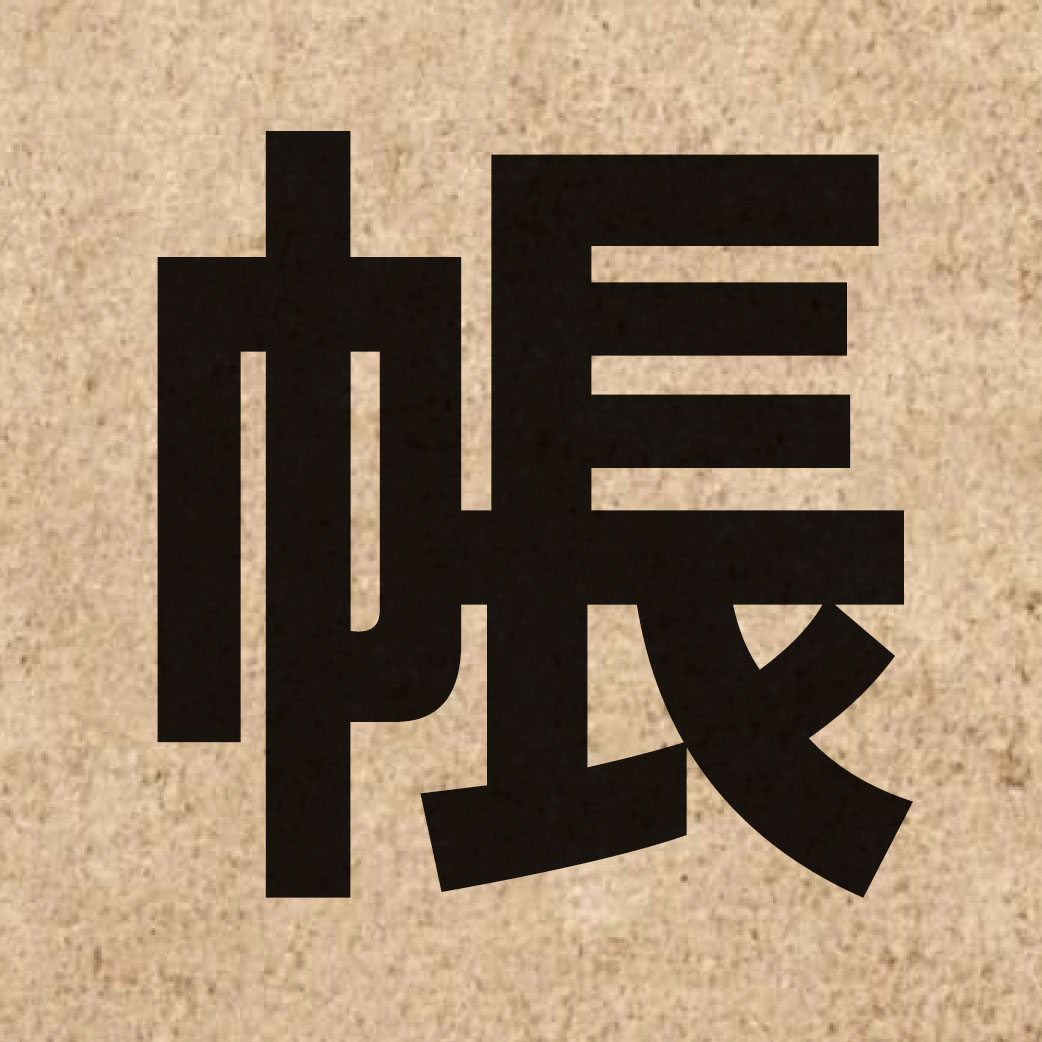
帳: Describing objects or spaces, which are used in daily life, more advanced Chinese characters (free learning resources)
The Chinese character【帳】is used to describe objects or space, and is mainly used for the following meanings: Account or tent. Explanation: (1) A canopy used…
View More 帳: Describing objects or spaces, which are used in daily life, more advanced Chinese characters (free learning resources)
滾: Describes actions or states, which are used in daily life. More advanced Chinese characters (simple version of the dictionary)
The Chinese word【滾】(roll) that we will introduce this time is a word that describes an action or a state. It is mainly used for the…
View More 滾: Describes actions or states, which are used in daily life. More advanced Chinese characters (simple version of the dictionary)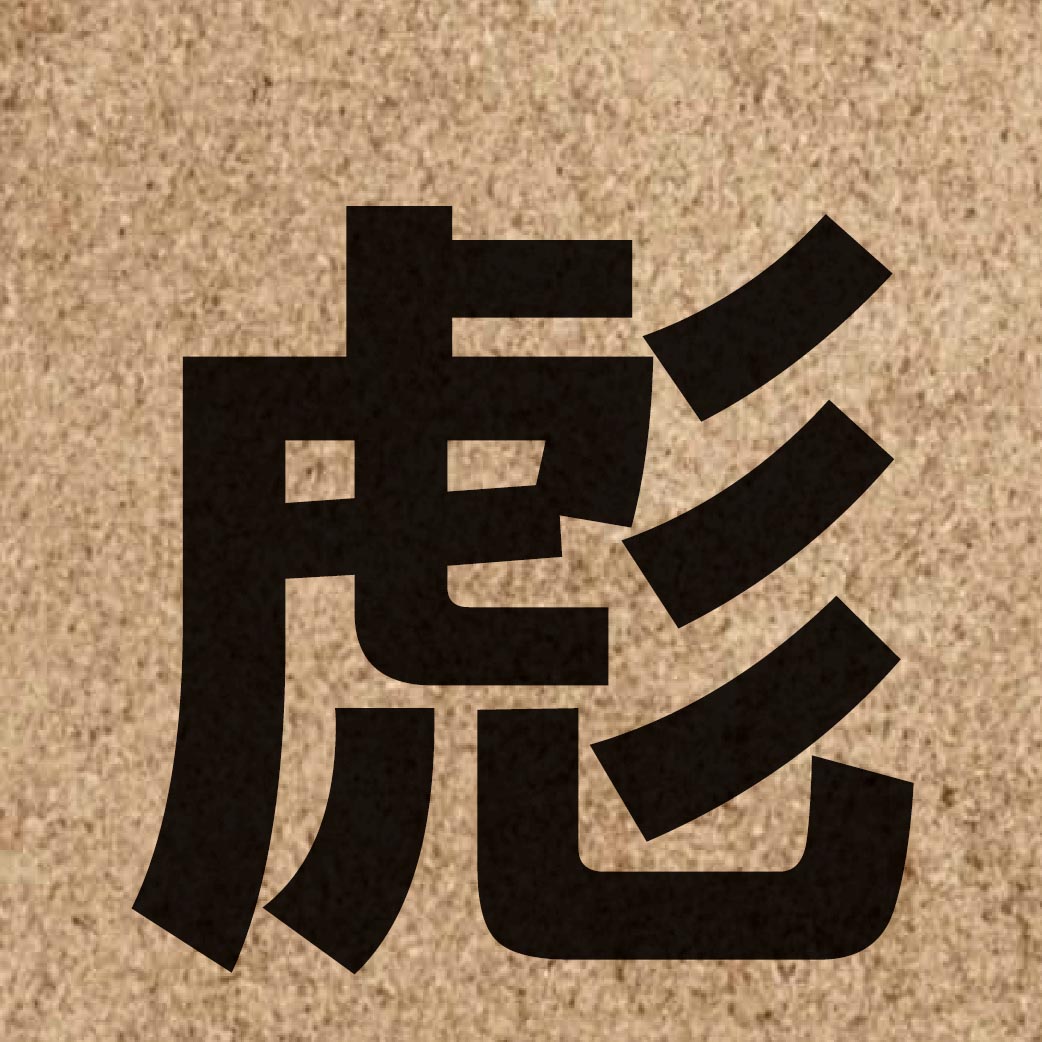
彪: Describing personality or appearance, which is definitely used in daily life, more advanced Chinese characters (simple version of the dictionary)
The Chinese character【彪】that I will teach you this time is a character that describes personality or appearance. It is mainly used for the following meanings:…
View More 彪: Describing personality or appearance, which is definitely used in daily life, more advanced Chinese characters (simple version of the dictionary)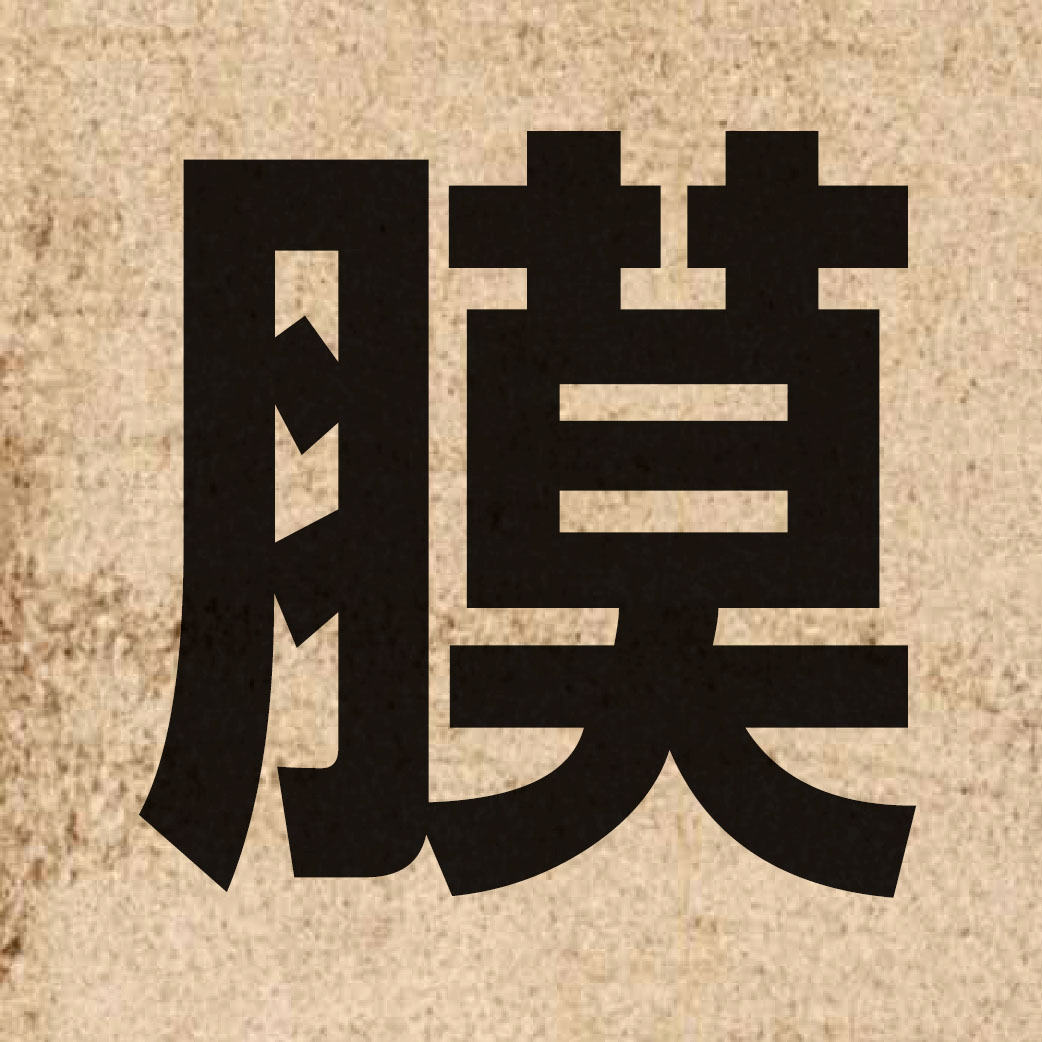
膜: Describe substances or organisms, which are used in daily life. More advanced Chinese characters (more than 7,000 characters in total)
The Chinese word【膜】is used to describe substances or organisms, and is mainly used for the following meanings: Film or biofilm. Explanation: (1) Thin skin-like tissue…
View More 膜: Describe substances or organisms, which are used in daily life. More advanced Chinese characters (more than 7,000 characters in total)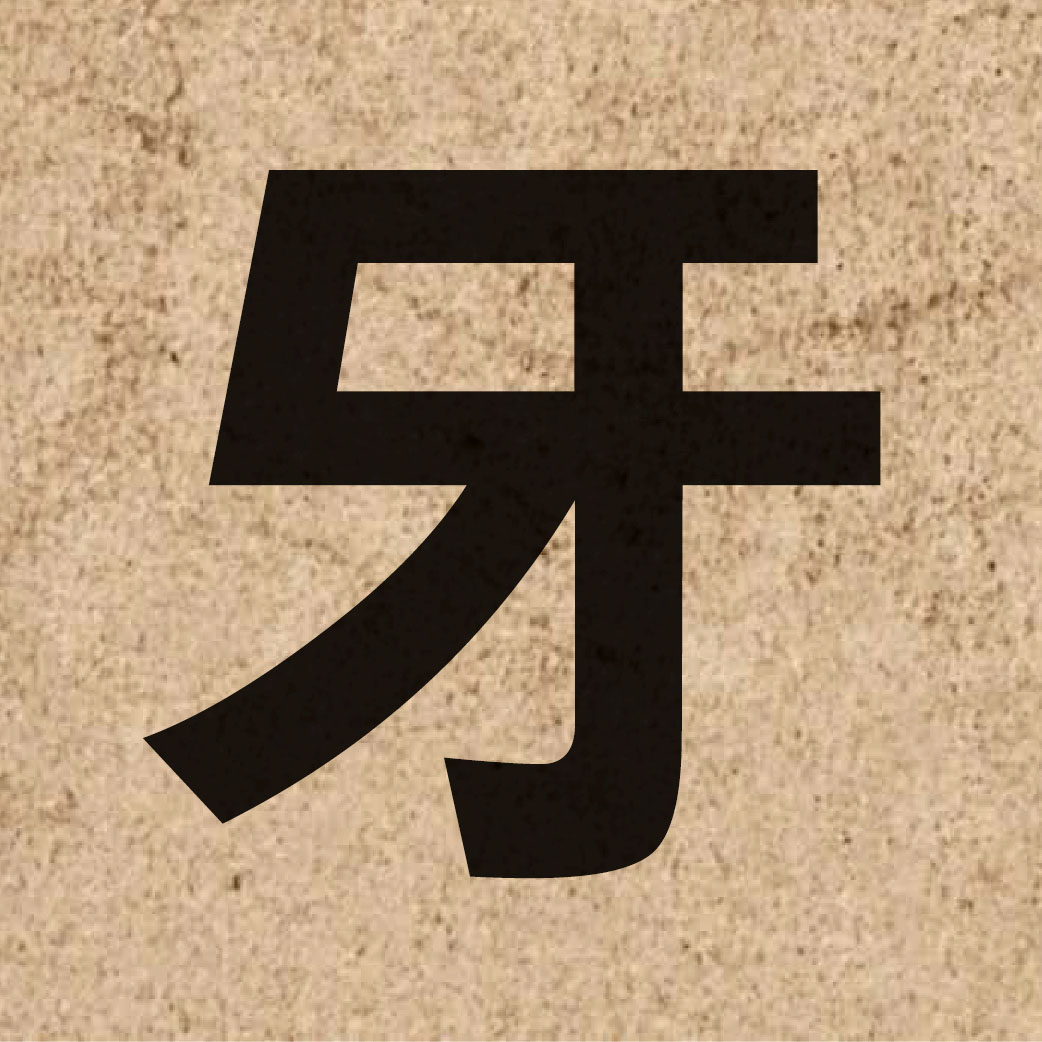
牙: Describing the body or shape, which is used in daily life, more advanced Chinese characters (with Cantonese and Mandarin pronunciation)
The Chinese word【牙】that we will introduce this time is a word that describes the body or shape. It is mainly used for the following meanings:…
View More 牙: Describing the body or shape, which is used in daily life, more advanced Chinese characters (with Cantonese and Mandarin pronunciation)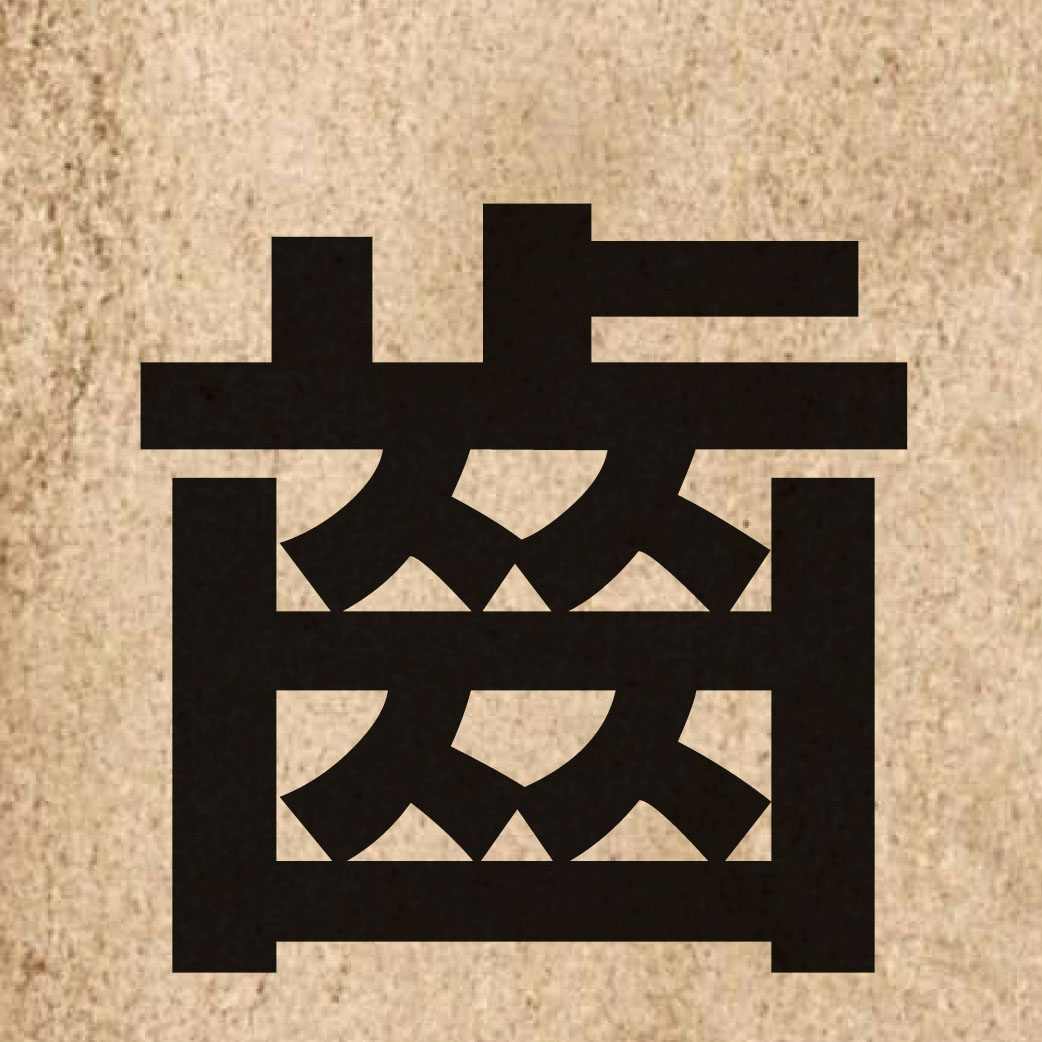
齒: Describe the body or tools, which are used in daily life, more advanced Chinese characters (more than 7,000 characters in total)
The Chinese word【齒】that we will introduce this time is a word that describes the body or tools. It is mainly used for the following meanings:…
View More 齒: Describe the body or tools, which are used in daily life, more advanced Chinese characters (more than 7,000 characters in total)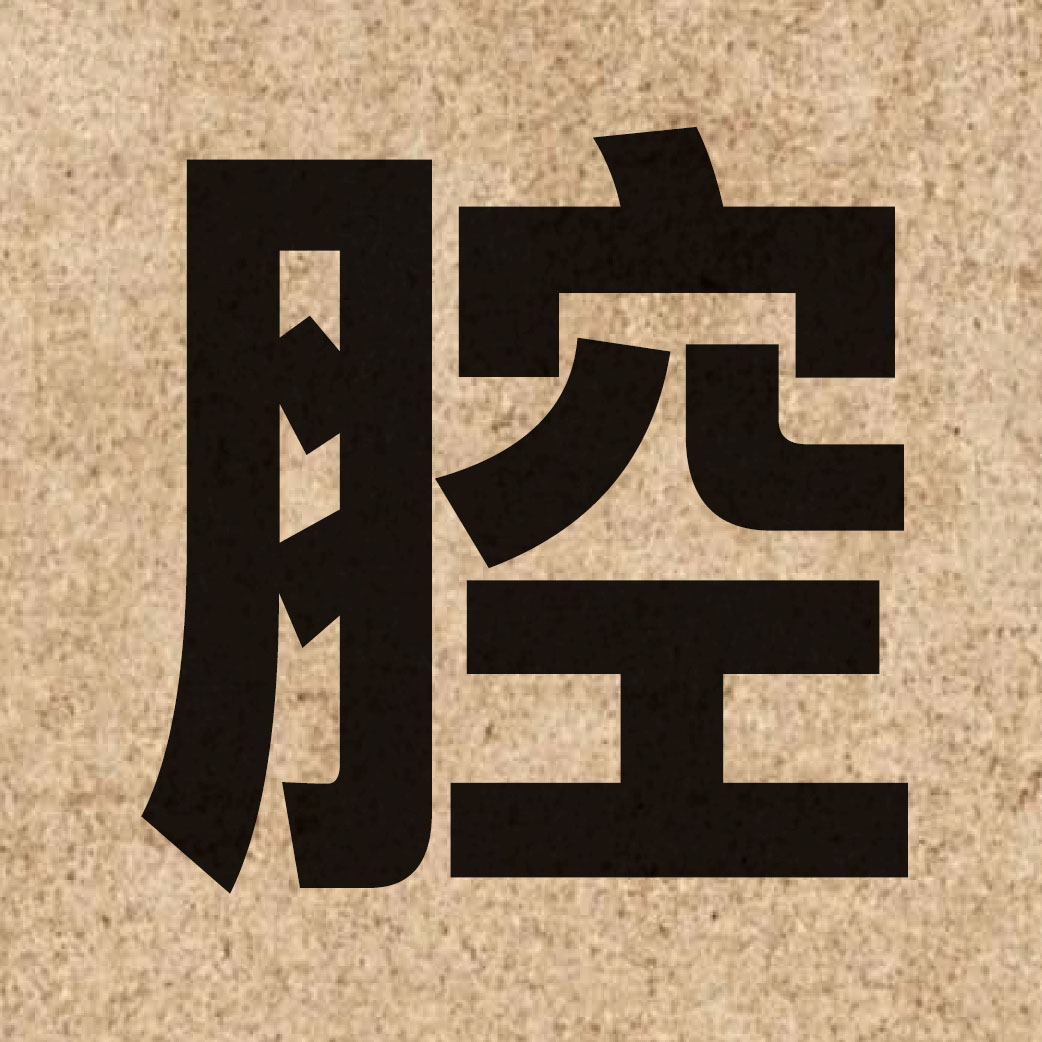
腔: Describes creatures or shapes, which are commonly used in daily life. Advanced Chinese characters (with Cantonese and Mandarin pronunciation)
The Chinese character【腔】that I will teach you this time is a character that describes an organism or a shape. It is mainly used for the…
View More 腔: Describes creatures or shapes, which are commonly used in daily life. Advanced Chinese characters (with Cantonese and Mandarin pronunciation)